
Air Pollution and Skin Health: What Dermatologists Want You to Know
Air pollution has become one of the most significant yet underestimated threats to skin and hair health in urban environments. In cities like Delhi, dermatologists are seeing a steady rise in patients presenting with acne, pigmentation, chronic sensitivity, premature ageing, and increasing hair fall—often without any major lifestyle or dietary changes.
According to Dr Suruchi Puri Makeovers, pollution-related skin and scalp damage is no longer occasional or seasonal. It is continuous, cumulative, and medically relevant. This explains why many individuals actively searching for a skin specialist in Delhi or the best hair treatment in Delhi often feel confused about why standard skincare and haircare routines stop working.
This article outlines how air pollution affects skin and hair at a biological level, why conventional care becomes ineffective, and what dermatologists recommend for long-term protection and repair.
Confused Why Acne and Pigmentation Get Worse in Winter?
A common pattern seen in dermatology clinics is the sudden onset of skin and hair concerns in individuals who previously had stable skin. Patients frequently report that their routine has not changed, yet acne flares up, pigmentation deepens, skin becomes reactive, and hair fall increases noticeably.
This confusion occurs because pollution-related damage develops silently. Unlike allergic reactions or infections, pollution weakens the skin barrier and scalp health gradually through daily exposure. By the time symptoms become visible, the underlying damage is already well established.
Dermatologists emphasize that this cumulative exposure—during commuting, outdoor activities, and even indoor environments—plays a major role in long-term skin and hair deterioration.
How Air Pollution Interacts with the Skin
Air pollution consists of fine particulate matter, toxic gases, and chemical compounds small enough to penetrate pores and settle on the skin surface. These pollutants trigger oxidative stress, which leads to cellular damage and inflammation.
From a clinical standpoint, pollution affects the skin in several key ways:
It generates free radicals that damage skin cells
It disrupts the lipid barrier responsible for moisture retention
It interferes with collagen production
It slows down natural skin repair mechanisms
Over time, this leads to dryness, uneven tone, sensitivity, and visible ageing—even in individuals with otherwise healthy skin.
Skin Barrier Damage: The Root Cause Dermatologists Treat
The skin barrier is the body’s primary defense against environmental aggressors. Pollution compromises this barrier by breaking down essential lipids and proteins.
Once the barrier weakens, the skin becomes reactive and permeable. Clinically, dermatologists observe:
Persistent dryness despite moisturising
Increased sensitivity to skincare products
Redness, itching, or burning sensations
Rough texture and dull appearance
According to every experienced Skin Specialist in Delhi, restoring the skin barrier is the foundation of treating pollution-induced skin problems. Without barrier repair, no treatment delivers long-term results.
Common Skin Conditions Linked to Pollution Exposure
In highly polluted environments, dermatologists consistently diagnose skin conditions related to environmental stress, including:
Adult-onset acne and inflammatory breakouts
Melasma and post-inflammatory hyperpigmentation
Chronic dryness with irritation
Reactive or sensitive skin
Early fine lines and loss of skin clarity
These concerns rarely improve with cosmetic products alone and usually require professional care at a trusted dermatologist clinic in Delhi.
How Pollution Increases Skin Sensitivity
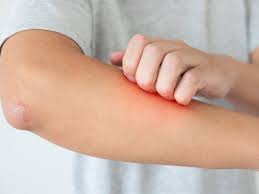
Winter pollution weakens the skin barrier through oxidative stress. Pollutants generate free radicals that damage skin cells and disrupt moisture balance. Once the barrier is compromised, the skin becomes reactive.
This explains why:
- Products that once worked suddenly sting or burn
- Redness and itching appear easily
- Skin feels tight even after moisturizing
According to dermatologists, sensitivity is often the first warning sign that pollution damage is progressing beneath the surface.
Why Hair Problems Increase Alongside Skin Issues
Winter pollution does not affect only the face. The scalp is equally exposed. Pollutants settle on the scalp, clog follicles, and trigger inflammation, leading to increased hair fall and poor hair growth.
Many patients searching for the best hair treatment in Delhi or reliable hair treatment doctors report sudden seasonal hair fall that does not improve with oils or shampoos. In most cases, pollution-induced scalp stress is the root cause.
Some common winter hair concerns include:
- Excessive hair shedding
- Itchy or flaky scalp
- Weak hair roots and thinning
Early consultation with experienced hair treatment doctors helps prevent long-term damage.
Why Most Winter Skincare and Haircare Routines Fail
Traditional winter routines focus mainly on dryness. Heavy creams, oils, and home remedies are used without addressing pollution buildup. This approach often worsens the problem.
When thick products are applied on polluted skin or scalp:
Toxins get trapped
Pores become congested
Inflammation increases
Dermatologists emphasize that winter care must focus on cleansing, protection, and repair, not just hydration.
Dermatologist-Guided Approach for Polluted Winters
Professional dermatological care focuses on understanding how pollution affects individual skin and scalp types. Morning routines are designed to protect against environmental exposure, while evening routines focus on detoxification and repair.
In cases where damage is deeper, clinical treatments are recommended to restore balance and strengthen the skin barrier. This structured approach delivers better results than random product changes.
Why Choosing the Right Clinic Matters
Pollution-related acne, pigmentation, sensitivity, and hair fall require accurate diagnosis. A qualified dermatologist evaluates skin barrier health, inflammation levels, and scalp condition before suggesting treatment.
Many patients trust Dr Suruchi Puri Makeovers because the clinic focuses on root-cause treatment and long-term results rather than temporary relief. This makes it a preferred choice for those seeking a reliable dermatologist in Janakpuri Delhi.
Conclusion
Winter pollution has changed the nature of skin and hair problems. Acne, pigmentation, and sensitivity are no longer seasonal accidents; they are predictable reactions to environmental stress. Ignoring pollution while treating only dryness often leads to worsening results.
With the right medical guidance, it is possible to protect the skin, control hair fall, and prevent long-term damage. Expert care from Dr Suruchi Puri ensures that both skin and scalp health are addressed effectively during polluted winters.
WhatsApp
Facebook
Twitter
LinkedIn
Email