
Skin Cancer Symptoms You Should Never Ignore: Expert Advice from Delhi Specialist
AI OVERVIEW :
Skin cancer can begin with small warning signs like changing moles, non-healing sores, red patches, itching, or unusual skin growths. Ignoring these symptoms may lead to serious complications over time. Early diagnosis and treatment from an experienced dermatologist in Delhi can help prevent the condition from worsening. Dr. Suruchi Puri at drsuruchipurimakeovers provides expert skin evaluation and advanced care for healthier, safer skin.
Skin Cancer Symptoms You Should Never Ignore: Expert Advice from Delhi Specialist
Skin cancer is one of the most serious yet commonly ignored skin conditions today. Many people mistake early symptoms for normal skin problems such as allergies, pigmentation, rashes, or acne marks. However, when left untreated, these symptoms may gradually turn into a dangerous health concern. Early diagnosis and proper medical care can make a huge difference in successful treatment and recovery.
In Delhi, increasing pollution, strong UV exposure, and changing environmental conditions can affect overall skin health. This is why regular skin checkups and awareness about warning signs have become extremely important. Consulting a qualified dermatologist in Delhi at the right time can help identify suspicious skin changes before they become severe.
What is Skin Cancer?
Skin cancer occurs when abnormal skin cells begin to grow uncontrollably due to damage caused by ultraviolet (UV) radiation or other environmental factors. It usually develops on areas frequently exposed to sunlight, such as the face, scalp, neck, hands, and arms.
There are different forms of skin cancer, but the most common types include:
- Basal Cell Carcinoma
- Squamous Cell Carcinoma
- Melanoma
Among these, melanoma is considered the most dangerous because it can spread rapidly to other parts of the body if not detected early.
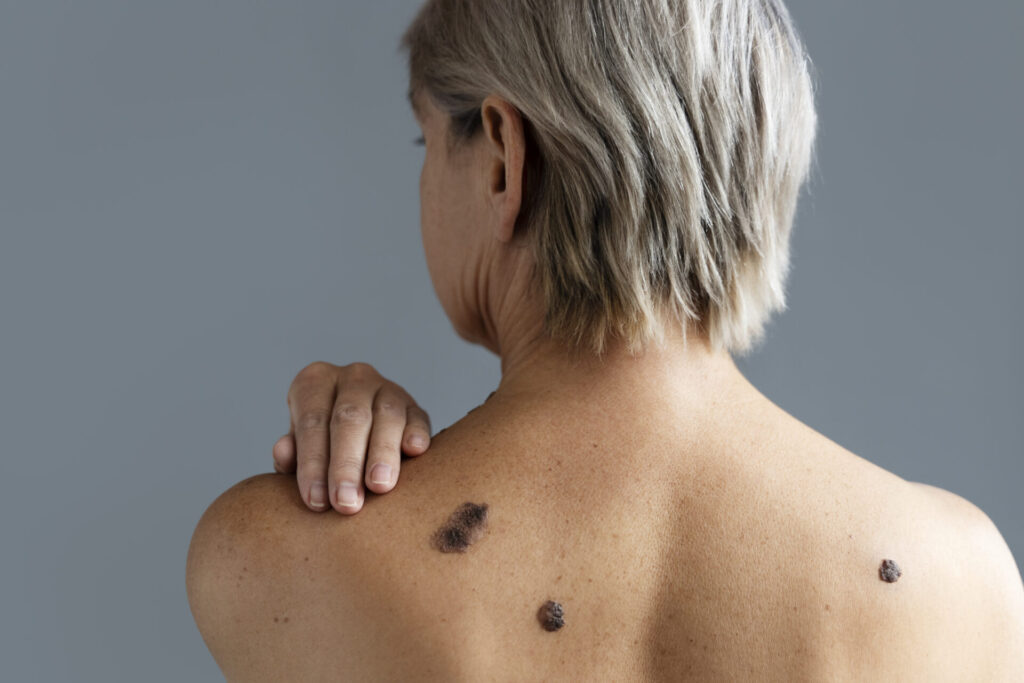
Common Skin Cancer Symptoms You Should Never Ignore
1. Appearance of a New Mole or Skin Growth
One of the earliest signs of skin cancer is the sudden appearance of a new mole, bump, or unusual skin growth. While many skin spots are harmless, any mole that changes rapidly should be examined carefully.
Warning signs may include:
- Uneven borders
- Dark pigmentation
- Multiple colors in one mole
- Rapid growth in size
If a mole starts looking different from others on your body, it should never be ignored.
2. Changes in Existing Moles
Existing moles can sometimes become cancerous over time. Dermatologists commonly follow the ABCDE rule to identify suspicious changes:
- Asymmetry
- Border irregularity
- Color variation
- Diameter increase
- Evolving appearance
Even small changes in texture, color, or size can indicate an underlying problem that requires medical attention.
3. Non-Healing Sores or Wounds
A sore or wound that does not heal properly within a few weeks can also be a warning sign of skin cancer. In some cases, the wound may heal temporarily and then reopen again.
These sores may:
- Bleed repeatedly
- Form crusts
- Cause irritation
- Become painful over time
People often mistake them for normal cuts or infections, delaying proper treatment.
4. Persistent Red or Scaly Patches
Skin cancer may also appear as rough, dry, or scaly skin patches that continue to grow slowly. These patches are commonly confused with eczema or fungal infections.
You should be careful if the patch:
- Feels rough to touch
- Continues peeling
- Causes itching
- Becomes thicker over time
Persistent redness that does not improve with creams or home remedies should be checked by a specialist.
5. Itching, Burning, or Skin Tenderness
Continuous itching or burning sensations in one specific area of the skin may sometimes indicate abnormal skin cell activity. While irritation can occur because of allergies or dryness, long-lasting discomfort along with visible skin changes should never be ignored.
Some patients also experience tenderness or sensitivity around suspicious moles or patches.
6. Shiny Bumps or Pearly Nodules
Basal cell carcinoma often appears as shiny bumps or smooth pearly nodules on the skin. These growths are usually painless during the early stages, which is why people fail to notice their seriousness.
They may appear:
- Pink
- White
- Skin-colored
- Slightly transparent
Over time, these bumps may enlarge or begin bleeding.
7. Dark Streaks Under Fingernails or Toenails
Melanoma can sometimes develop beneath the nails. A dark streak under the nail that gradually widens or becomes darker should be evaluated immediately.
This symptom is often mistaken for injury-related nail discoloration, causing delays in diagnosis.
Dark Streaks Under Fingernails or Toenails
Melanoma can sometimes develop beneath the nails. A dark streak under the nail that gradually widens or becomes darker should be evaluated immediately.
This symptom is often mistaken for injury-related nail discoloration, causing delays in diagnosis.
Who is More Likely to Develop Skin Cancer?
Although skin cancer can affect anyone, certain factors increase the risk significantly. Prolonged exposure to sunlight remains one of the biggest causes.
Other major risk factors include:
- Fair or sensitive skin
- Excessive sun exposure
- Family history of skin cancer
- Weak immune system
- Frequent tanning
- Exposure to harmful chemicals
- Increasing age
People working outdoors for long hours are also more vulnerable to UV-related skin damage.
Importance of Early Detection
Early diagnosis is one of the most important factors in successful skin cancer treatment. Detecting the disease at an early stage can reduce complications and improve recovery outcomes.
Early treatment can help:
- Prevent cancer spread
- Reduce treatment complexity
- Minimize scarring
- Improve healing
- Lower health risks
Regular skin examinations and timely consultation with a Skin doctor in delhi can help detect suspicious symptoms before they become severe.
Diagnosis and Treatment Options
Dermatologists usually begin with a detailed skin examination to identify abnormal moles or lesions. If needed, a biopsy may be performed to confirm the diagnosis.
Treatment options may include:
- Surgical removal
- Cryotherapy
- Laser treatment
- Radiation therapy
- Immunotherapy
The treatment plan depends on the type and stage of skin cancer along with the patient’s overall condition.
Tips to Reduce the Risk of Skin Cancer
Protecting your skin from harmful UV rays and maintaining healthy skincare habits can reduce the chances of skin cancer significantly.
Some important preventive measures include:
- Use sunscreen daily
- Avoid excessive sun exposure
- Wear protective clothing outdoors
- Use sunglasses and hats
- Avoid tanning beds
- Examine your skin regularly
Regular skin monitoring helps identify unusual changes at an early stage.
Final Thoughts
Skin cancer often begins with small warning signs that people tend to ignore. Unusual moles, non-healing sores, persistent itching, or changing skin patches may indicate serious underlying skin conditions that require immediate medical attention. Early diagnosis and proper treatment can greatly improve recovery and prevent complications.
If you notice suspicious skin changes or long-lasting skin problems, consulting an experienced dermatologist in Delhi is essential for accurate diagnosis and advanced treatment. Expert guidance from Dr. Suruchi Puri at drsuruchipurimakeovers can help you receive professional skin care and timely treatment for healthier, safer skin.
WhatsApp
Facebook
Twitter
LinkedIn
Email